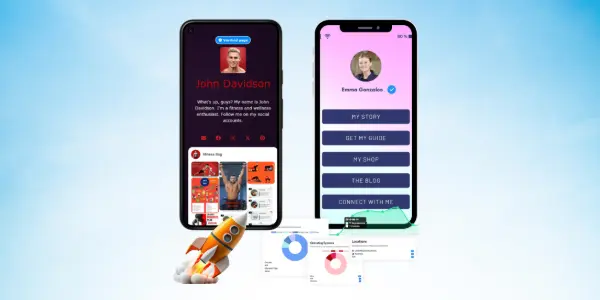
Discover what a bio link is, why it’s essential in 2026, and how to create a high-converting link-in-bio mini landing page. Tips, examples, SEO strategies, and mistakes to avoid.
Imagine you only had one clickable link you could share everywhere—on Instagram, TikTok, or any profile page—and it had to lead people to everything you want them to see. That’s exactly why bio links exist. A bio link is that single URL in your social profile that acts like a mini hub. Instead of pointing people to just one page, you can send them to a landing page that organizes all your important places: your website, your latest post or video, a shop, a newsletter signup, or whatever matters most right now.
The idea grew out of platform limits: many apps don’t let you put clickable links in posts, so the bio link becomes the main bridge to the outside web. Hostinger bio link guide explains this clearly—on platforms like Instagram and TikTok, the clickable bio link is the primary way to guide followers to external content such as websites or stores.
That single link can be more than a shortcut. When paired with a link‑in‑bio tool, it can turn into a small, customizable page that hosts multiple links, saving you from constantly swapping URLs every time you want to highlight something new. It’s a simple trick, but hugely useful for creators, small businesses, or anyone who wants their online presence to feel organized and easy to navigate.
How a Bio Link Works

A bio link works by taking the single link that social platforms allow in your profile and turning it into a gateway to everything you want people to find. Instead of pointing that link to a single destination—like your homepage—it directs visitors to a small, mobile-friendly landing page that organizes all your key links in one place.
When someone taps your bio link, they land on this curated page. From there, they can choose where to go next: your shop, your latest video, your product catalog, your newsletter, your booking page, or any other resource you want to highlight. It’s essentially a streamlined navigation system designed for audiences who are browsing quickly on their phones.
The system is simple but effective. You create your link-in-bio page using a bio link tool, customize it with your brand style, and then copy the final URL into your social media profile. From that point forward, you can update the contents of your bio link page anytime—without having to change the link people click on. This flexibility is one of the reasons bio links have become essential for creators, freelancers, and businesses who need to move fast and keep their online presence clear and accessible.
Why Bio Links Matter in 2026
Bio links have always been practical, but in 2026, they have become almost essential for anyone building an online presence. Social platforms continue to limit where and how you can share links, and audiences are increasingly consuming content on mobile devices. That combination creates a clear need for a single, efficient place to direct traffic.
Platforms like Instagram, TikTok, and X still allow only one primary external link in profiles, which means creators and businesses must use that space wisely. A bio link solves the problem by turning that single opportunity into a flexible, multi-link destination. As a result, it becomes far easier to highlight current campaigns, promote new content, or guide followers to multiple touchpoints without constantly updating the link in your profile.
Another reason bio links matter more today is the shift toward micro-landing pages and fast, frictionless navigation. Users expect immediate access to relevant content, and a well-structured bio link page delivers exactly that. Whether you are driving sales, building an audience, or generating leads, the bio link serves as the central hub that keeps your digital footprint connected and easy to explore.
Key Benefits of Using a Bio Link
Using a bio link offers several practical advantages that go beyond simply organizing your URLs. For creators, freelancers, and businesses, it has become an essential component of online visibility and traffic management. Below are the core benefits that make bio links so valuable today.
1. Clear Link Organization
Instead of scattering important links across posts or stories, a bio link brings everything together in one structured, accessible place. This helps reduce confusion and ensures followers always know where to go for the latest content, offers, or updates.
2. Higher Engagement and Click-Through Rates
A well-designed bio link page encourages visitors to explore multiple destinations. By giving people direct, simplified options—such as “Shop Now,” “Watch Video,” or “Join Newsletter”—you increase the likelihood of meaningful interactions.
3. Stronger Personal Branding
Modern bio link tools let you customize colors, typography, layout, and sometimes even your custom domain. This consistency helps reinforce your brand identity and creates a professional experience every time someone taps your link.
4. Built-In Monetization Opportunities
Whether you promote affiliate offers, digital products, paid content, or booking services, a bio link can centralize your revenue streams. It makes it easier for followers to discover what you sell and take action without searching through your content.
5. Real-Time Flexibility
One of the most significant benefits is the ability to update your links whenever you want without replacing the URL in your profile. This means you can promote new launches, events, or time-sensitive campaigns instantly.
Together, these benefits make the bio link a simple yet powerful tool for managing traffic, improving user experience, and supporting your growth across platforms.
What You Can Add to a Bio Link Page

A modern bio link page is far more flexible than a simple list of URLs. It can function as a compact, mobile-ready hub that represents everything you want your audience to access quickly. Most bio link tools today support a wide range of content formats, allowing you to build a richer and more engaging experience. Here are the core elements you can typically include:
1. Social Media Profiles
You can link all your social platforms—Instagram, TikTok, YouTube, Facebook, Pinterest, X, LinkedIn, and more—in one clean layout. This helps followers connect with you across multiple channels instantly.
2. Product Pages and Online Stores
Whether you sell physical items, digital products, or services, you can highlight your shop links directly on your bio page. This is especially useful for creators, dropshippers, and small businesses who want to drive traffic from social media to their store.
3. Videos, Music, and Media Embeds
Many tools allow embedding YouTube videos, TikTok clips, Spotify tracks, podcast episodes, or portfolio pieces. This turns your bio link page into a dynamic showcase rather than just a directory.
4. Articles, Blog Posts, and Resources
If you publish content regularly, you can point visitors to your latest articles, guides, or downloadable resources. This is particularly effective for educators, coaches, and marketers.
5. Contact Forms and Lead Capture
Some platforms include email forms, newsletter signups, or direct messaging options. This makes it easier to collect leads, grow mailing lists, or offer quick communication channels.
6. Special Offers, Events, and Promotions
A bio link page is perfect for limited-time discounts, event registrations, webinar links, or seasonal updates. You can highlight what matters most without changing your profile link every time.
A well-organized combination of these elements turns your bio link page into a compact digital ecosystem—one that guides visitors smoothly and keeps your online identity coherent across platforms.
Bio Link vs. Traditional Website
A bio link—or link-in-bio page—is fundamentally different from a traditional website, even though both serve as online gateways to your content. The key distinction lies in simplicity, purpose, and user behavior. A bio link is a streamlined mini landing page designed for fast navigation on social platforms, while a full website offers a deeper and more comprehensive browsing experience.
1. Purpose and Scope
A traditional website is built to house extensive information: product pages, detailed articles, service descriptions, contact sections, and more. In contrast, a link-in-bio page focuses on immediacy. It acts as a compact hub that directs visitors to a handful of high-priority destinations—your shop, your latest content, or your most important calls to action.
2. Speed and User Experience
A mini landing page is lightweight and optimized for mobile-first consumption. Visitors coming from Instagram or TikTok expect quick, frictionless navigation, and the link-in-bio format delivers exactly that. A full website, while richer, often requires more time and attention, which doesn’t always align with the rapid browsing behavior on social platforms.
3. Flexibility and Updates
Updating a traditional website may involve design changes, content revisions, or backend adjustments. A bio link page, however, can be updated within seconds—ideal for creators and businesses who shift focus frequently. You can highlight a new product, campaign, or video instantly without touching your main site.
4. Branding and Control
Websites offer full creative control, custom pages, and advanced SEO structures. A mini landing page provides lighter customization—colors, fonts, buttons, layout—but it still ensures a clean, branded experience that feels cohesive across platforms.
5. Conversion Focus
A well-structured bio link is built for action. It removes distractions and presents only your most important links or offers. Websites, by design, invite exploration, which can be positive—but also less direct if your goal is conversions from social traffic.
In short, a bio link doesn’t replace your website; it complements it. The link-in-bio acts as your quick-access entry point for social audiences, while the full website remains your long-form digital home.
Most Popular Bio Link Tools in 2026

The rise of link-in-bio pages and mini landing pages has created a competitive market of platforms designed to make the process simple, fast, and visually appealing. While each tool offers its own strengths, the following services stand out in 2026 for reliability, customization, analytics, and creator-friendly features.
Still one of the most recognized names in the link-in-bio space, Linktree provides a straightforward interface, solid templates, and essential analytics. It is beginner-friendly and widely adopted by influencers and small businesses.
A flexible, modern bio link platform known for fast loading times, clean layouts, and advanced customization. It is ideal for users who want a more branded mini landing page and prefer tools that support QR codes, link management, and analytics in a single ecosystem.
Beacons focuses heavily on creators and offers monetization tools, mobile-optimized designs, and built-in email collection. It is a strong choice for influencers looking to combine their bio link with creator-specific features.
Koji stands out for its interactive “mini app” approach, allowing users to embed unique modules like tip jars, video requests, storefronts, and more directly inside their link-in-bio page. This makes it one of the more innovative and dynamic platforms.
Taplink offers extensive design freedom for users who want their mini landing page to look more like a micro-website. With multimedia support and form creation features, it appeals to service providers and businesses seeking a polished presentation.
Shorby is known for its minimalistic style and ability to create mobile-friendly mini landing pages quickly. It also includes useful integrations such as messenger links for instant communication.
These platforms continue to evolve as creators demand more from their link-in-bio tools. In 2026, speed, branding control, and monetization capabilities are the features that most differentiate one tool from another.
How to Choose the Best Bio Link Tool
Selecting the right bio link platform is easier when you know what to look for. As we said earlier, a link-in-bio page is more than a list of URLs—it’s a mini landing page that represents your brand, organizes your content, and directs your audience to the actions that matter most. With so many tools available in 2026, focusing on the following criteria will help you choose the platform that fits your goals.
1. Customization Options
Your bio link is part of your public identity, so it needs to reflect your style. Look for tools that allow you to adjust colors, fonts, button styles, layouts, and—ideally—use a custom domain. The more control you have, the more cohesive your online presence will feel.
2. Analytics and Insights
A good link-in-bio tool should tell you more than just how many people visited your page. Detailed analytics—such as link clicks, traffic sources, and device types—help you understand what your audience actually cares about. As we mentioned earlier, conversion-focused design works best when backed by data.
3. SEO Performance
While bio links are not full websites, the best platforms still support basic SEO features: meta titles, descriptions, and clean URLs. This ensures your mini landing page is discoverable and performs better when shared on platforms like Google, messaging apps, or social feeds.
4. Branding and Visual Quality
A bio link is often the first point of contact coming from social platforms. Choose a tool that makes your page look clean, professional, and consistent. Some services offer more visually polished templates, which can make a noticeable difference in audience trust.
5. Integrations and Features
Depending on your needs, you may want built-in forms, e-commerce modules, media embeds, newsletter signup tools, or even payment features. As we noted earlier, the best bio link platforms now act like lightweight micro-websites, so the right integrations can save you time and reduce the number of tools you depend on.
6. Speed and Mobile Experience
Your visitors are mostly on mobile and expect everything to load immediately. A slow mini landing page can ruin engagement. Always choose platforms that prioritize fast, mobile-first performance.
By weighing these factors, you can select a bio link tool that not only organizes your content but also enhances your brand, boosts conversions, and supports your long-term growth.
How to Create a High-Converting Bio Link Page
As we discussed earlier, a bio link—or link-in-bio mini landing page—is more than a place to store your URLs. When crafted well, it becomes a focused conversion tool that guides your audience to the actions you care about most. Whether your goal is to increase sales, boost content views, or grow your email list, the structure and design of your bio link page play a major role in the results you achieve. Here is how to build one that actually converts.
1. Start With a Clear Primary Goal
Every high-performing mini landing page has one main purpose. Is it to sell a product? Grow a newsletter? Drive traffic to a YouTube channel? Once you define the primary objective, you can arrange your links in a logical order that supports it.
2. Keep the Layout Simple and Scannable
As we said earlier, most visitors arrive from mobile apps and expect instant navigation. Avoid clutter. Use clean buttons, short labels, and a clear hierarchy. Your most important link should be at the top—no exceptions.
3. Use Strong Calls to Action
Instead of vague labels like “Click here,” use actionable text:
– “Shop the new collection.”
– “Watch the latest video.”
– “Join the newsletter.”
– “Download the guide.”
Clear CTAs increase click-through rates because they tell visitors exactly what to expect.
4. Add Visual Elements Sparingly
Images, icons, and brand elements are helpful, but too much visual noise can slow down the page or overwhelm visitors. A balanced design gives your bio link a polished look without distracting from your core actions.
5. Prioritize Mobile Speed
A slow link-in-bio page kills conversions. Choose a platform known for fast load times and test your page on different devices. Remember: people tapping your bio link are usually in a quick-scroll mindset.
6. Highlight Your Best Content or Offer First
Your top link should always align with your current campaign, launch, or priority. This ensures every visitor immediately sees what is most important today, not last month.
7. Review Analytics and Adjust Often
As we mentioned in earlier sections, analytics are crucial. Check which links get clicks and which ones are ignored. Small adjustments—such as swapping link order or renaming buttons—can noticeably improve performance.
When these elements come together, your bio link page becomes a compact, focused, and highly effective conversion pathway instead of just a list of destinations.
SEO Tips for Bio Link Pages

As we said earlier, a bio link—or link-in-bio mini landing page—is not a full website, but it still benefits from smart SEO practices. These optimizations help your page appear more polished when shared, improve discoverability, and increase trust with your audience. Even simple steps can make a noticeable difference in how your mini landing page performs.
To frame the importance of visibility, Seth Godin famously said,
“Marketing is a contest for people’s attention.” Seth Godin
A well-optimized bio link helps you win more of that attention by ensuring your page loads fast, looks clean, and communicates clearly.
Below are the essential SEO practices for link-in-bio pages in 2026:
1. Optimize Your Meta Title and Description
Most modern bio link tools let you add metadata. Use a short, keyword-rich title and a clear description that tells visitors what your mini landing page offers. This improves how the page appears when shared on messaging apps or social platforms.
2. Use Short, Descriptive URLs
If your platform supports custom domains or branded URLs, use them. A clean URL builds trust and makes your page easier to remember. As Gary Vaynerchuk often says, “Content is king, but context is God.” A clear URL is part of that context—it shapes how people perceive your brand before they even click.
3. Keep Content Lightweight and Fast
SEO is not only about keywords; speed is a ranking and engagement factor. Reduce heavy images, avoid unnecessary animations, and keep your bio link page mobile-first. Our earlier sections emphasized how quickly users scroll—fast loading supports that behavior.
4. Use Clear, Hierarchical Link Labels
Search engines and users both prefer clarity. Instead of generic labels, use keywords naturally:
– “Fitness coaching plans.”
– “Free marketing guide.”
– “Shop my latest products.”
A descriptive link tells both humans and algorithms what to expect.
5. Add Alt Text Where Possible
Some bio link platforms allow alt text for images or embeds. This enhances accessibility and helps search systems understand your visuals.
6. Keep Internal Structure Simple
A bio link is essentially a single-page micro-site, so structure matters. Too many links dilute importance and overwhelm visitors. As we mentioned earlier, simplicity leads to better engagement.
7. Refresh Regularly Based on Data
Review your analytics and keep your content current. Neil Patel reminds us, “You can’t just place a few ‘Buy Now’ buttons on your website and expect your visitors to buy.” The same applies to a bio link page: adjust based on what your audience actually clicks.
Common Bio Link Mistakes to Avoid (With Examples)
As we said earlier, a bio link—also called a link‑in‑bio mini landing page—is meant to guide your audience quickly and clearly to your most important content or actions. Yet many people unintentionally reduce its effectiveness by making the following common mistakes.
Below are the key pitfalls to avoid, along with realistic examples to illustrate what not to do.
Mistake 1: Too Many Links (Overwhelming Choices)
Why this fails:
When you add every possible link you have—every social channel, every old blog post, every product ever made—visitors don’t know where to start. Cognitive overload reduces clicks.
Bad Example:
A link‑in‑bio page that lists 20+ links, including every past video, multiple store collections, several external resources, and unrelated partner sites.
Better Approach:
Limit your page to 3–5 links that reflect your current goals (e.g., latest product launch, newsletter signup, key social channel). Quality over quantity wins.
Mistake 2: Vague or Non‑Actionable Labels
Why this fails:
Generic labels like “More Here”, “Click Now,” or “Stuff I Like” don’t tell people what they’ll get. This ambiguity reduces user confidence and click‑through rates.
Bad Example:
- “Link 1”
- “Important Stuff”
- “Check Me Out”
Better Approach:
Use clear, benefit‑oriented text:
- “Download Free Workout Guide”
- “Shop Summer Collection”
- “Watch Latest Video”
As we discussed earlier, strong calls to action work best because they set expectations and influence behavior.
Mistake 3: Poor Visual Hierarchy and Cluttered Design
Why this fails:
A mini landing page that looks like a collage—multiple colors, mismatched sizes, crowded buttons—distracts visitors. People want clean, scannable layouts on mobile.
Bad Example:
A page with 10 different button styles, GIFs auto‑playing, and multiple font types.
Better Approach:
Stick to a consistent button style, clear spacing, and a simple color palette. Let your most important link stand out visually.
Mistake 4: Failing to Highlight Priority Content
Why this fails:
If the top link isn’t your most strategic call to action, you lose valuable traffic. Many creators mistakenly bury their priority content below less important links.
Bad Example:
A store link is placed below a list of old blog posts or low‑priority social channels.
Better Approach:
Always place your current campaign, product, or lead‑capture offer at the top.
Mistake 5: Ignoring Mobile Performance
Why this fails:
Most people access bio links from mobile devices. If your page loads slowly or buttons are too small or too close together, engagement drops sharply.
Bad Example:
Heavy background images, autoplay elements, or crowded layouts that trigger slow load times and pinch‑to‑zoom.
Better Approach:
Optimize for fast mobile load speed, minimal graphics, and large tap‑friendly buttons.
Mistake 6: Not Updating the Bio Link Page Regularly
Why this fails:
A static page with outdated links signals neglect and reduces trust. A page that hasn’t changed in months feels stale and irrelevant.
Bad Example:
A bio link still promoting last year’s event or offer.
Better Approach:
Refresh your mini landing page based on your current season, product launch, or content focus. As we said earlier, one of the big benefits of bio link pages is that they can be updated instantly without changing the URL in your social profile.
Mistake 7: Lack of Analytics Tracking
Why this fails:
Without analytics, you’re guessing which links perform. Many creators miss out on actionable insights simply because they don’t measure click data.
Bad Example:
No link tracking, no split testing, no review of what’s working.
Better Approach:
Use built‑in analytics or UTM tracking so you know which links resonate. Then adjust your layout, labels, and priorities based on actual data.
Final Thoughts: Why Every Creator Needs a Bio Link in 2026
As we discussed throughout this guide, a bio link—or link-in-bio mini landing page—is no longer just a convenience; it’s an essential tool for anyone building an online presence in 2026. Whether you’re a creator, small business, artist, or SaaS founder, a well-designed bio link page helps you:
- Centralize all your important links in one place
- Guide visitors quickly toward your most important actions
- Enhance your brand identity with a consistent design
- Track engagement and optimize your content based on analytics
- Save time by updating your mini landing page without changing your social profile link
Remember what Seth Godin said: “Marketing is a contest for people’s attention.” Your bio link is your entry point in that contest. A clean, clear, mobile-first mini landing page ensures that the attention you earn on social platforms is translated into meaningful engagement, leads, or sales.
Finally, avoid common mistakes—too many links, vague labels, cluttered designs, outdated content—and learn from effective examples like influencers, businesses, artists, and coaches. By applying the strategies we outlined, you can turn your bio link into a high-converting, branded hub that maximizes every click.
In short, a bio link is not just a URL; it’s a mini landing page, a traffic manager, and a conversion engine all in one. In 2026, having one isn’t optional—it’s essential.